Puppy choice at Cerberus Illusion kennel
Selecting a show puppy is an art born of experience, observation, and unwavering ethics. It is a decision that shapes the future of a breed. In this article, drawn from years of breeding Cimarrón Uruguayo, I share the principles, risks, and profound responsibilities involved in choosing which puppies should represent and perpetuate the breed.
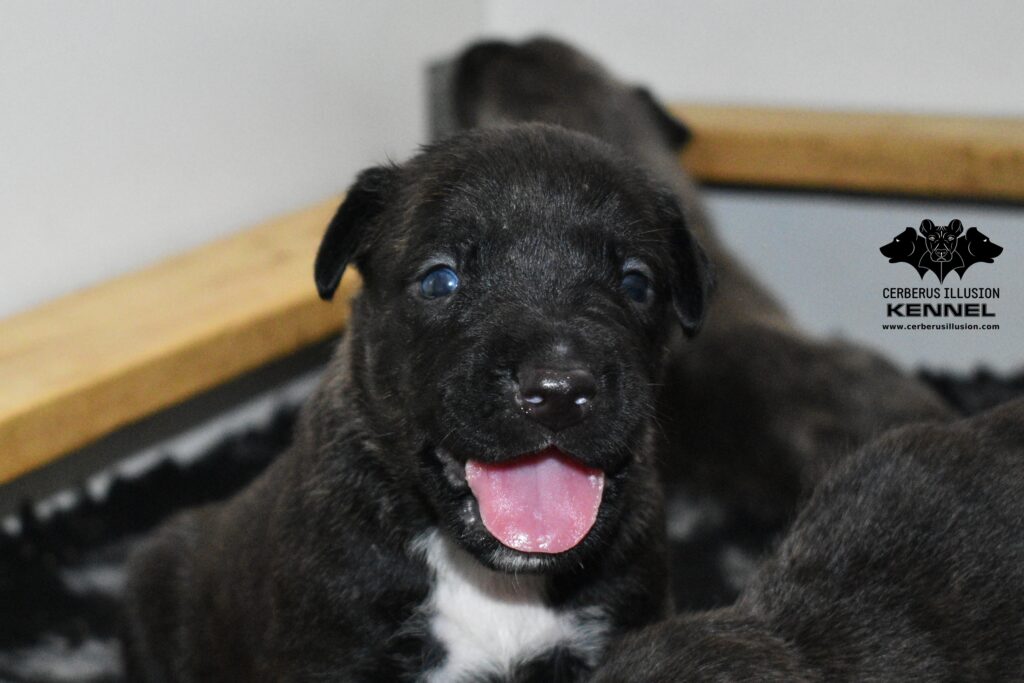
Puppy choice tends to be the most responsible and, for some people, also the most difficult task. First of all, as a breeder I feel it is my responsibility to select only the best puppies for show and breeding. Beyond that, I offer only the most suitable puppy for each future family. Only if the puppy and the future owner or family are suited to each other, will they have a happy life together. Moreover, I provide only the best puppies for show and breeding. The best does not need to mean the “most beautiful”!
Excellent health, character, working ability and anatomy according to the FCI standard are the most important factors in Cerberus Illusion kennel.
Ideal puppy for its family
I myself do not select my own puppies for show and breed based only on anatomy. Of course, all of them conform to the breed standard and are beautiful with wonderful movement. But each of them is also super clever, with extraordinary intelligence and the will to please their master. Their character is very important. They all have the disposition to give their all for their master and to do whatever is asked. The long-term selection for these characteristics resulted in the production of Cimarrons who behave like their ancestors. They love to work, they are eager to do anything with their family, and they are ready to protect them if needed.

Puppy choice from my first litter
I remember as if it were yesterday when my first litter of Cimarrons was born. As soon as the puppies were born I knew there was one dark brindle female and two dark brindle males that I pre-reserved for show and breeding. Nevertheless, I selected these three puppies directly after their birth. I would had kept any of them at home. At that moment no one could guarantee that they would develop according to my expectations.
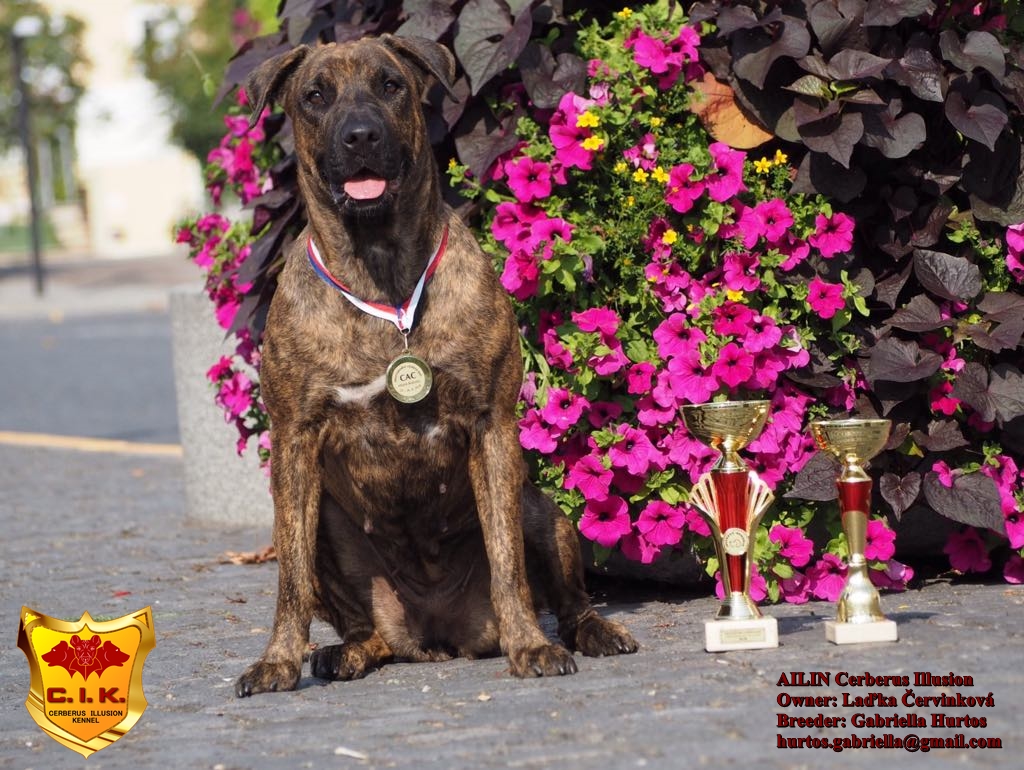
Ailin Cerberus Illusion
I did not ultimately choose my own puppy myself from my first litter. Initially, as soon as the puppies were born, I decided to keep the dark brindle female at home. But, a few days later, her future owner contacted me to request that specific female as a partner for her adult stud male. I thought about it for four days, as my plan was to keep her for myself. Then I started to think like: “Maybe it is the destiny, and she should go to this person”. So finally I agreed. I have never regretted it, as this was the start not only of a beautiful friendship but also of a long-term cooperation.
Andrash Cerberus Illusion
When I agreed to sell the female I told to myself: “There are still two beautiful males; you will keep one of them”. Yes, but which one? One seemed nicer than the other. I liked their character and working potential. One day I preferred one of them, the next day the other. When they were 7 weeks old, the lady who had reserved one of these males asked if I had already chosen my puppy. I answered: “no”. Today I am happy she asked whether she could get the one with the big white marking on the chest, as she had preferred that puppy since the beginning. I agreed.
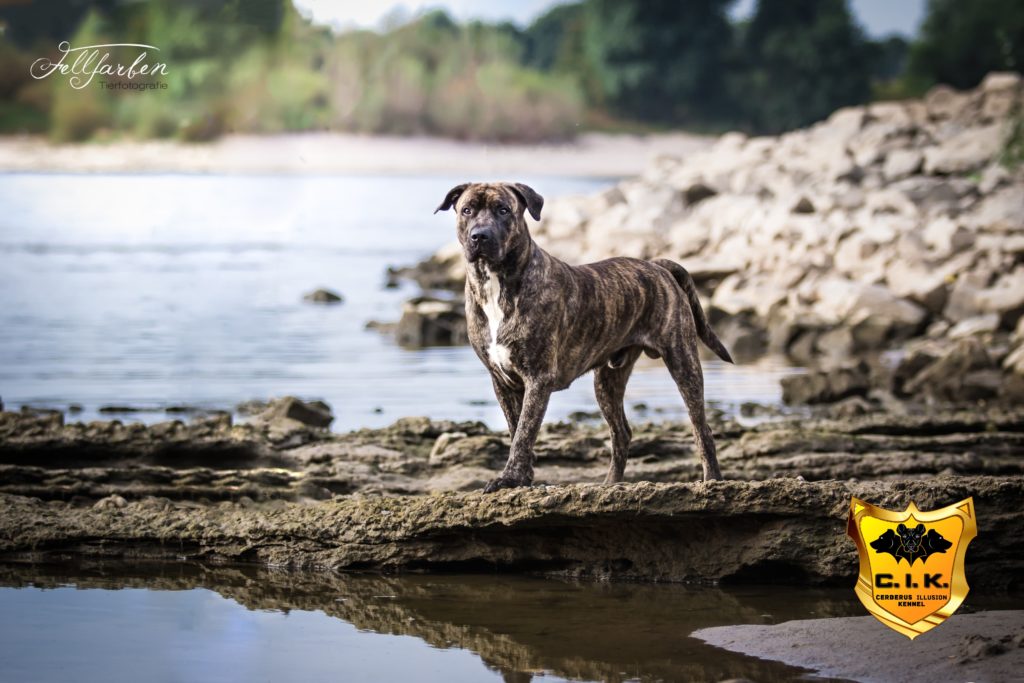
Anakin Cerberus Illusion
Thus, I kept the puppy that remained. The best dog in my life stayed with me. All three of us came to the conclusion that each of us had gotten the best dog ever. We are breeders; all three of us breed responsibly with healthy dogs only. All three of us select carefully which puppy we send out or keep for show and breeding.
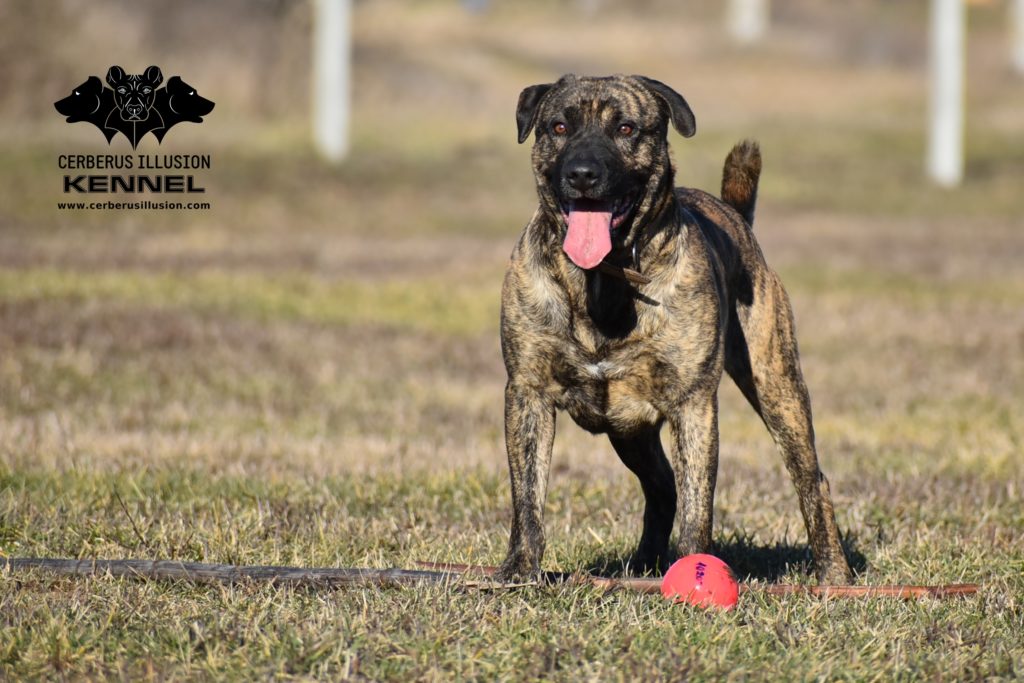
Puppy choice from my second litter
In my second litter, 13 puppies were born. My first chosen puppy was a huge female, who was simply beautiful. But I knew she might be too big. Thus I decided to keep her for myself to take on the risk that finally I might not be able to breed her in the end, if her height at the withers exceeded the FCI standard.
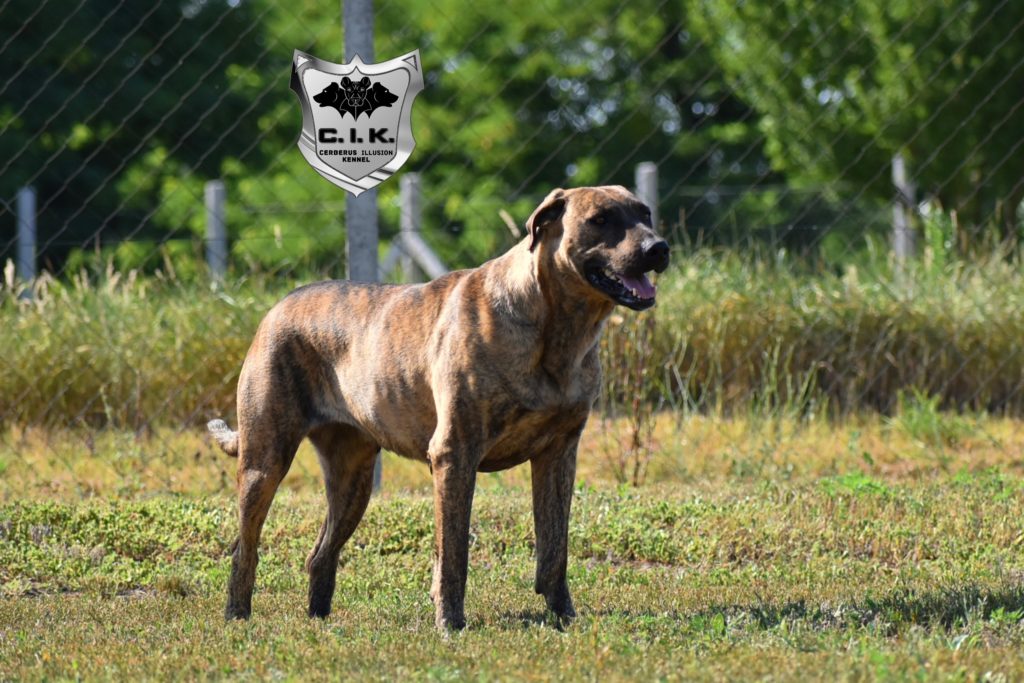
In fact, I pre-selected over half the litter for show. Two of them were for sale and the rest were selected for myself. I kept watching them and could not decide on just one male and one single female to stay at home. At the age of around 6 months, I still had one male (Beowulf) selected first of all due to his character and four females (Beulah, Beauty, Belona, Bentley). I tried hard to narrow down my choice of females. Finally, I let destiny decide by offering Bentley and Belona to my friend. I suggested Belona as my first and better choice, but she selected Bentley. The rest stayed with me.
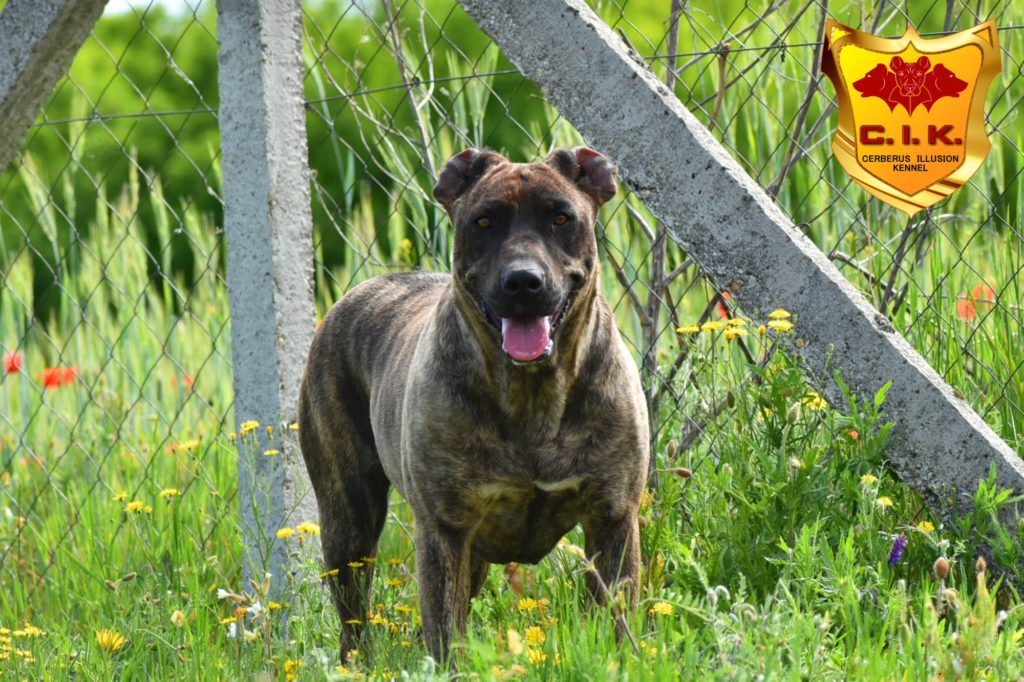
The final decision to sell Beauty came months later. She played happily with me and our pack, but when she was in her kennel and I was playing with other dogs, she was sad. I had to recognize that she might be happier as an only dog. I cried after she left my home, but at the same time I knew it was the best decision for her. All these dogs became really successful show dogs. Bentley’s owner got pregnant soon after she entered their family, and thus the show plans ended.
Why I did not keep any puppy from the third litter
My third litter was from two extraordinary dogs. The two most beautiful Cimarrons in Europe were the parents. They produced a nice litter of 6 puppies. I planned to keep a male and female from that litter before the puppies were born. Only two females were born, and I did not wish to keep them at home or to use either of them for breeding. But luckily, there were two beautiful males. Cabure was the one, I finally preferred, not only due to his beautiful anatomy and movement but also due to his high intelligence. His character was mesmerizing. He was a really cute boy, looking at me with curious and loving eyes. I wanted to keep this male for my Connie and Cora.
But this time, destiny had other plans. I kept checking Cabure’s bite and teeth even after the permanent teeth had come in. His bite was perfect and everything looked fine. Once, when I looked into his mouth and counted his teeth, as I had many times before, there was one tooth there twice. A P1 was there twice. I cannot say I was happy. But I knew from the first moment that I would not cheat; I would not visit a veterinary dentist to have that tooth extracted, nor would I breed him. I sold him as a family dog, not only without breeding rights but also without the possibility of taking him to dog shows. I think every responsible breeder would do the same!
The importance of learning and seeing
To select the puppy or puppies for show, you must be, first of all, sincere and truly self-critical. You must see the faults in newborn puppies. Some cannot see this either at the age of 8 weeks nor later. If you have this problem, you had better study more. You should learn about dog anatomy and movement, read the breed standard, and watch plenty of dogs growing up. You should examine plenty of photos, videos and also dogs in real life to be able to recognize how they change not only with age but also through given growth periods. And you should know the lines, the dogs in the pedigrees, your own dogs and their pedigrees, and what their ancestors look like. You should also know how individual characteristics are inherited in the lines and dogs you use, etc.
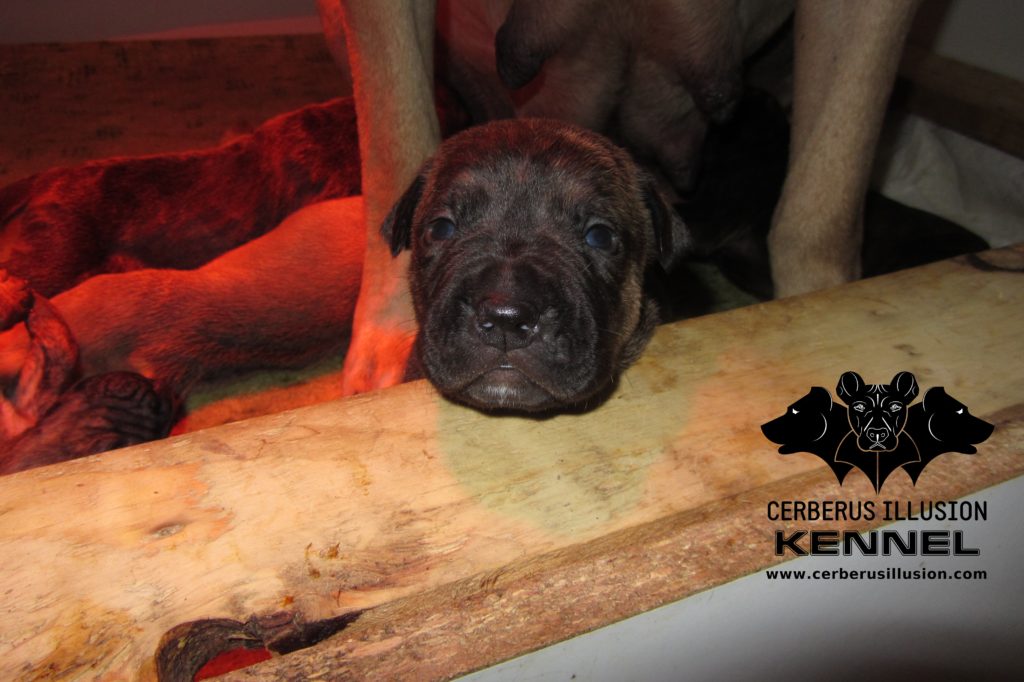
Let´s now consider the case where you can see the puppy and you KNOW how it will look as an adult if everything is ideal (so the puppy will develop according to your expectations, will not get sick, will not break its leg, or have any other kind of injury, etc.). Over the years, I kept plenty of puppies for myself when I knew in advance how an individual puppy would look as an adult. I could simply see it. One may say it is a special kind of talent. In my opinion, it is the result of thousands of photos, videos, dogs and puppies I kept watching and evaluating over many years.
Puppy choice from my fourth litter
The story of my destined puppy can be read in a long article. Knowing the anatomy of Misia Maura and my Anakin, and my aim with their litter, I was sure the puppy I would keep at home – Duncan – would be the improved version of his father (not to mention the fact that Duncan was born a genius).
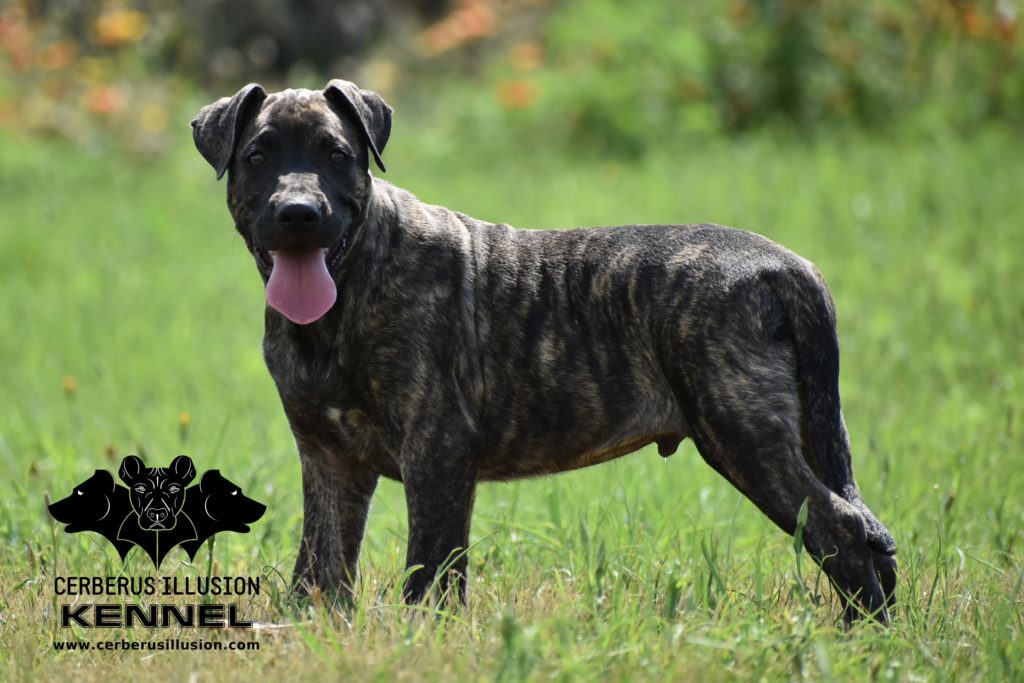
He was a born alpha who fought with his mother since the beginning. He was not afraid of anyone or anything. How I decided to keep him as the only puppy can be read in the article – Puppy choice – there can be only one.
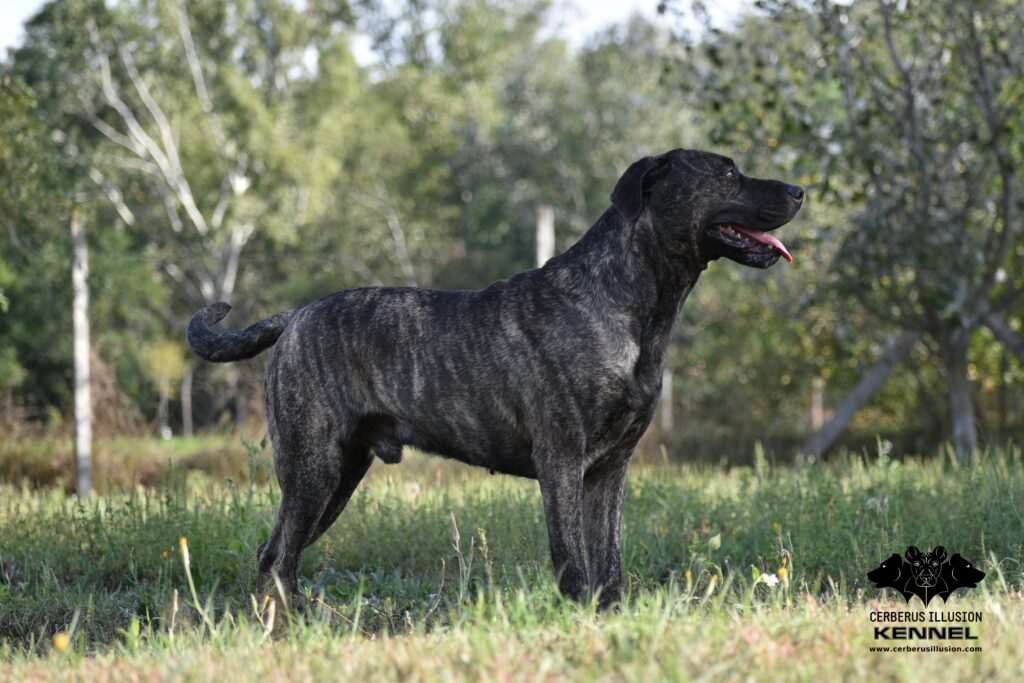
I knew that Duncan would have similar head and that he would be the ideal type with ideal top line. I wished him to be 1-2 cm taller than his daddy (my wish was fulfilled). Anakin and Duncan are so similar that one can confuse them. Both males are multi-champions and grand champions in several countries.

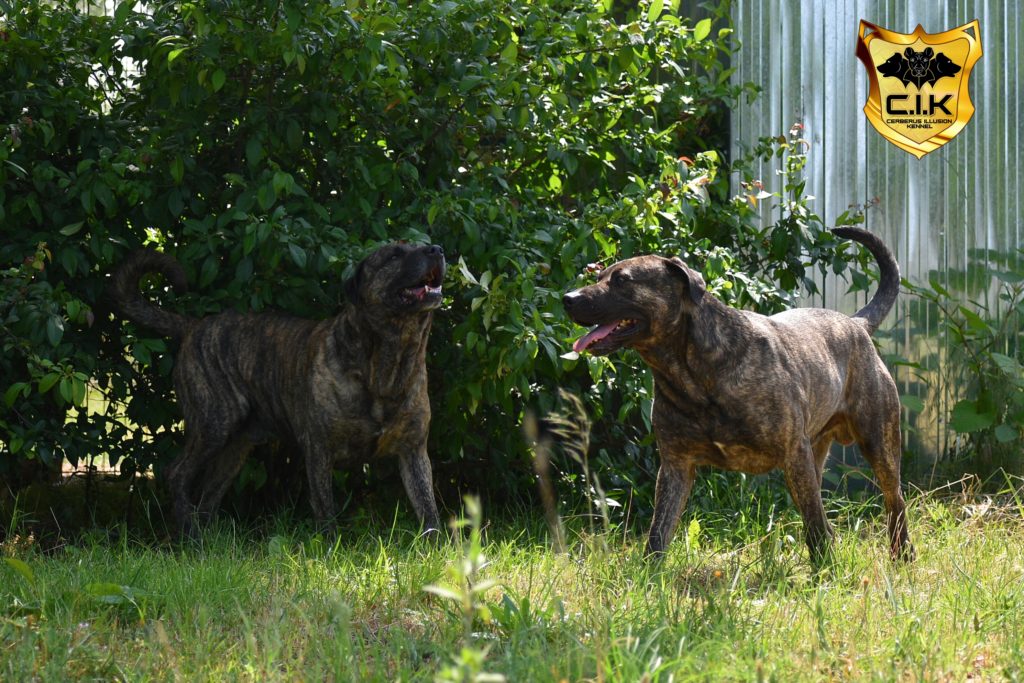
Puppy from E litter was chosen during delivery
Another example of my first-chosen puppy was the female puppy from my E litter. She was selected even during the delivery. She was born as the third puppy of eight. I immediately knew she was my first selection for show. Since she started barking at the age of a couple of days and I prefer calm dogs, I offered her for sale (I mentioned her barking as the reason of sale). Later, her barking saved the life of her new family. I am sure it was destiny that she was sold. Today she is a multi-champion, multi-winner, multi-World Winner as well.
The situation was similar several times in the future with several different litters afterwards. But I the stories mentioned above illustrate this point quite well.
Puppy choice from outcrossing
The male whom I consider the most beautiful in my kennel today – Ivanhoe – was born from an outcross to open a new line from Anakin and was also selected directly after birth. He was born as the first puppy from a litter of 11. He was born similar to his father, Anakin – the puppy with the biggest head born first in that litter. Ivanhoe started his show career in grand style, winning Minor Puppy & Puppy BIS at the age of 5 months, defeating much older puppies.
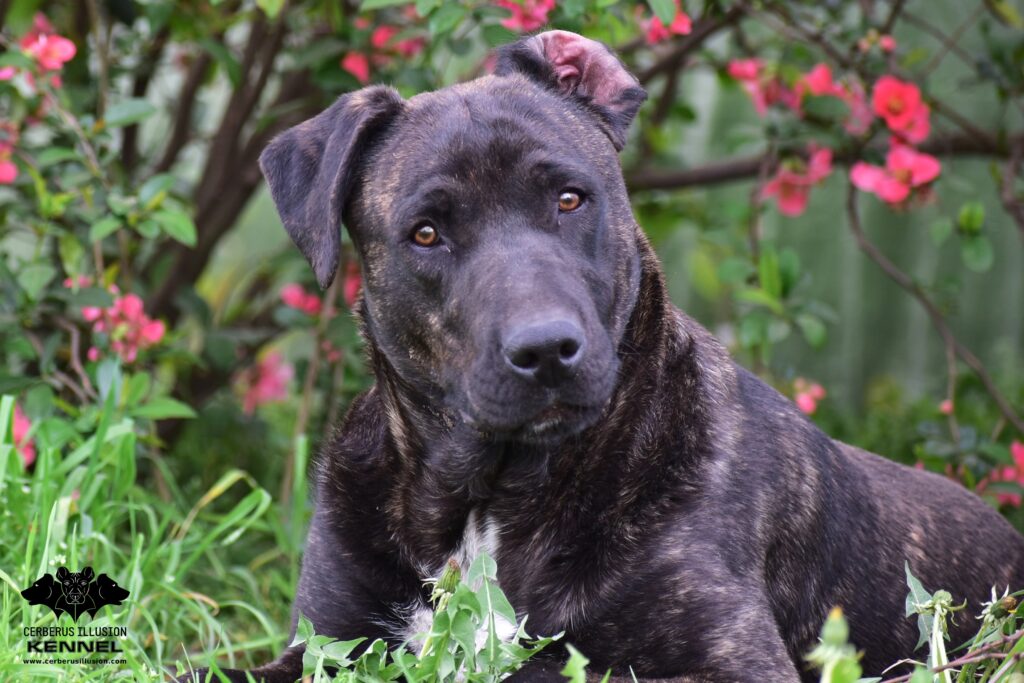
Puppy choice from Ivanhoe & Hestia litter
Today, I have a two-weeks-old litter of 8 puppies by my side, and the history is repeating. I selected 5 puppies out of 8 for show directly during or short after their birth. As they are still very small, I keep watching them, and destiny will decide if they all leave my home as show dogs. What I know for sure is this: ONLY THE BEST PUPPIES WILL BE SENT OR KEPT FOR SHOW AND BREEDING (and I have very strict criteria for what can be used for breeding)!
Advice how to start puppy selection
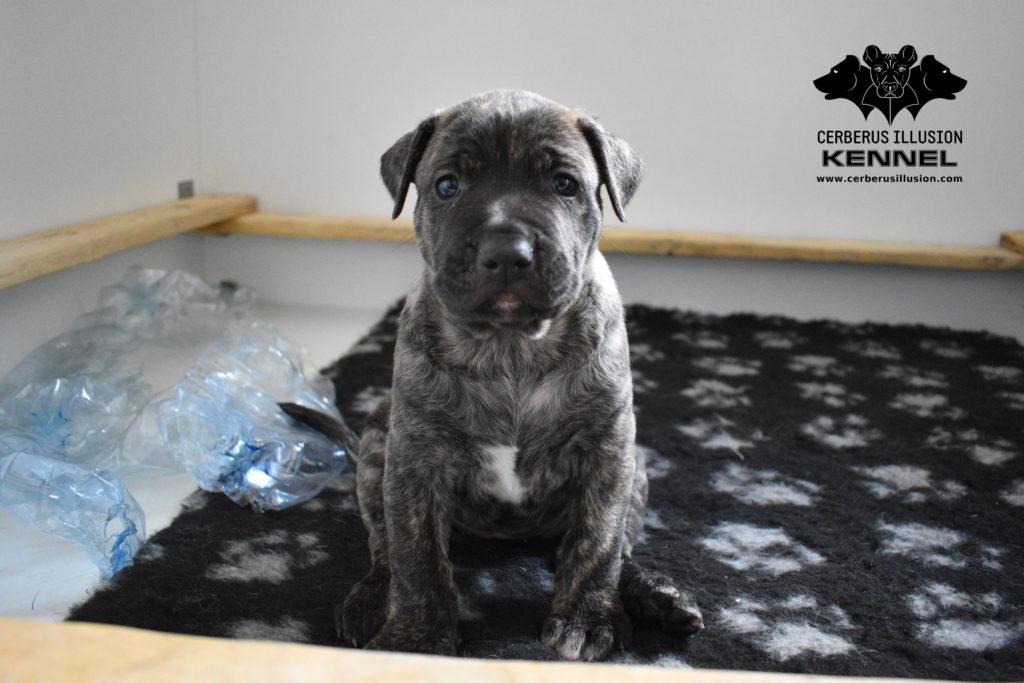
Before you start selecting puppies for show, you should be able to detect puppies that should be eliminated as potential family dogs and that do not have the quality to be presented on dog shows or used for breeding. I do not even referring to ill puppies, nor puppies with serious health issues – they should not leave your home! You, as their breeder, are responsible for them, and you should take care of them.
Elimination of puppies for pets only
First of all, you should eliminate puppies with disqualifying and severe faults from consideration for show and breeding. If you send a puppy for shows, the owner might think you sold a dog suitable not only for shows but also for breeding (the case is even worse if you sold that puppy explicitly for breeding!).
I will explain with an example from our beloved breed. If you, for example, sell a female puppy with a white marking on her nose bridge – which is considered a severe fault in Cimarrons – the owner might tend to use that female later for breeding. Thus, more puppies with the same SEVERE fault might be born. Or, the problem may occur later with others breeding the offspring of that female. As soon as one of them starts searching for the source of this problem, everybody will know how irresponsible you were!
Of course, there are faults in every breed that appear from time to time, but responsible breeders sell those puppies as family dogs only. That way, they will never enter the breeding population. Only puppies that conform to the breed standard should be considered for show and breeding.
How to eliminate non-ideal representatives of the breed for family pets
I will first advise on how to eliminate non-ideal representatives of the breed as family pets by the age of 8 weeks. I will list the points in the order in which you can recognize them, starting fron birth. You should not send to shows or breeding puppies:
- 1. with kinked or broken tail – you should check the tail directly after birth and also later, as the mother may step on the puppy´s tail a break it. Also, during a C-section, it is possible for the puppy to sustain such an injury.
- 2. with faulty color – you can see the color of the coat at the birth, so this might serve as an easy factor for selecting puppies not for show or breeding. All colors not allowed by the standard should be excluded!
- 3. white markings in places other than those mentioned in the standard – this is similar to coat color – white markings are MOST visible immediately after birth. Later, they may fade, but we will always know the puppy had them!
- 4. unpigmented nose – it must be black! A nose can be grey only in blue (fawn or brindle) dogs! The complete coat color of the dog must be blue in such a case!
- 5. long hair
- 6. incorrect bite
- 7. undescended testicles not fully into scrotum (one or even both testicles not fully descended into the scrotum)
- 8. genetic brown – puppies also have brown nose, eyelids and lips. This may also appear as the diluted color “isabella”.
- 9. anatomy not conforming to the breed standard
- 10. incorrect head, as it is an essential characteristic of each breed! Especially, a male puppy with a slight, feminine head should be eliminated, as he will later show a clear absence of sexual dimorphism and, if used for breeding, will pass this on to his offspring. The bigger the dog, the smaller his head will look, and then you will also face another severe fault: clear departure from the important proportions!
Other aspects that might help you select puppies only for family pets include anatomical imperfections, non-ideal movement, fearfulness, or aggressiveness.
Stipulated height at withers in adulthood
Some recommend to eliminate the smallest and the biggest puppy from the litter for pet homes only, as they might be under or over the stipulated height. This advice is widely accepted, and I recommend this for beginners. If you are breeding your first litters, please place the biggest and the smallest puppies (at the age of 8 weeks) in family homes as pets. Sometimes your whole litter might be too big, and all puppies might be over the stipulated height in adulthood.
If you breed long-term over several generations and you know the dogs and lines you use well, I would advise the following. Let´s assume you have a beautiful puppy at the age of 8 weeks, but it is the biggest in the whole litter. First of all, look at its mother’s and father’s adult height.
I will explain this with a real example. The mother was 58 cm, and the father was 61 cm. Both parents were within the standard (females: 55-58 cm, males: 58-61 cm, tolerance +/- 2 cm). As you can see, both parents were at the height limit WITHOUT needing the tolerance! So I risked keeping this big puppy at home. I did not think it was fair to sell the puppy for show and breeding to another person, because he or she would then bear the risk of the puppy turning out too large. This is one of your options. You can keep such a puppy for yourself and wait to see the final height of the dog.
Eliminating oversized (undersized) adult dogs
You can exclude the given dog later from breeding if it is over or under the stipulated height. In my case, this female was finally 60 cm, so I used her for breeding. She only had one litter, and all offspring were the correct size, but the male selected for mating was wisely chosen – he was 60 cm! Despite this I quit this line to avoid risking the production of overly large dogs in the future generations if breeding pairs are not selected properly.
If you know the size of the parents and grandparents (and ideally also the size of dogs in those lines), you can quite accurately predict the size of offspring by understanding the hereditary rules for height at the withers.
Oversized dogs and hip dysplasia
OVer the years, I have observed many breeds. In some, I was studied the effect of increase height at the wither on health, especially the incidence of hip dysplasia. I observed a breed similar to Cimarron Uruguayo where the breed standard specified a 10 cm range for height at the withers. As soon as the breeders started producing bigger dogs, the number of dogs with hip dysplasia rapidly increased. I want to mention this as a warning!
“The bigger, the better” is WRONG!!! If you are a judge, please STOP rewarding Cimarrons only because they are BIG and because they “look better” in the ring than correctly sized Cimarrons! Please evaluate the proportions (height at the withers : length = 10 : 11, height to elbow the same as from elbow to withers). Head size should be in proportion to body size – this is a fundamental principle of dog anatomy!
If you see two males with the same head size, where one is 58 cm and the other one 62 cm tall, the one with better overall proportions should be your winner. We do not want males with light feminine heads! If you are a breeder, stay within the height limit specified in the standard, ideally WITHOUT using the tolerance (i.e. 55-58 cm for females, 58-61 cm for males).
The risk of producing oversized dogs
By the production iversized Cimarrons, you risk not only loosing the correct proportions and angulation but also increasing the risk of dysplasia and other joint-related diseases. Bigger size means greater weight, which can case problems. A related issue is producing Cimarrons that are too heavy. Even if their height at withers is within the stipulated limit, excessive weight can lead to the problems mentioned above.
Risk factors in early puppy selection
There are so many factors to sonsider when selecting a puppy for show at birth or shortly afterwards. For example:
- 1. The puppy must survive! This is especially critical in the first few days.
- 2. The puppy’s bite must be correct! As soon as the teeth start to grow (at around 3 weeks of age), you can see whether the bite starts to look correct—for now.
- 3. According to the FCI standard: “Male animals should have two apparently normal testicles fully descended into the scrotum.” In male puppies, this can usually be confirmed by the age of 6 weeks. By 8 weeks of age, the puppy should have both testicles descended; however, there are cases when descent occurs later (typically around 3 to 4 months of age, with 6 months being the absolute deadline).
Other risk factors beyond the breeder´s control
If a puppy selected for show leaves your home around the age of 8 weeks, you can no longer control its further development. First of all, it must exchange its teeth correctly. The new owner can influence tooth growth. A milk tooth can modify the position of a permanent tooth. Tug-of-war playing can change the direction of growth of a tooth, or even multiple teeth. Biting on hard objects can not only change the normal growth position of permanent teeth but also lead to fracture and the need for extraction. All these factors might endanger the dog’s future show career.
Besides having a correct scissors bite, your Cimarron should ideally have complete bite, i.e. a full set of teeth. PM1 may absent according to the breed standard. After your puppy exchanges its teeth and a tooth is missing, you do not need to panic immediately. Experts say the tooth can still emerge later (until about 12 months of age). I would consider one year of age the latest point at which you can hope for the missing tooth to suddenly appear.
Conclusion
There are many other factors in raising and training a dog properly to become a future show star, but I do not wish to go into more detail on that now. What I have focused on in this article is how you, as a breeder, can select puppies for show and breeding – assuming ideal conditions later on.
Ultimately, selecting for show and breeding is not about choosing the biggest or the boldest. It is a commitment to the breed’s standard, its health, and its future. It requires the courage to make difficult, sometimes disappointing, choices for the greater good. I hope this insight encourages both breeders and judges to prioritize correct type, sound proportions, and the long-term well-being of the Cimarron Uruguayo above all else.
A note for future owners
When you reserve a show-potential puppy, remember that you are entering a partnership with the breeder. The breeder’s rigorous selection is the first step, but the puppy’s future depends on your care, training, and shared commitment to the breed’s standard. Trust a breeder who is transparent about risks and selective about placements — it is the mark of true dedication.
Author: Gabriella Hurtos, Cerberus Illusion kennel, 31st December 2025
This article may not be rewritten, reprinted, reposted, excerpted, translated or otherwise duplicated in any way without previous written permission of the author.
Sharing via social media with the help of implemented share buttons is allowed.